
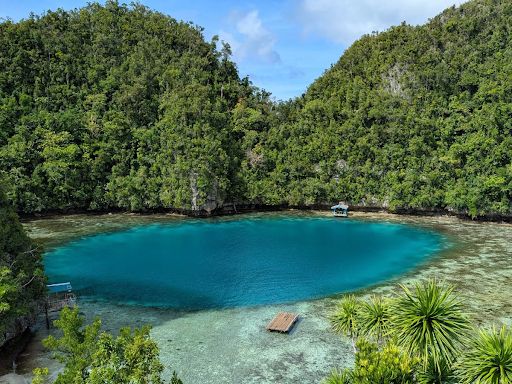
A travel magazine Philippines readers can trust should do more than tell people where to go. Experience Travel & Living helps readers understand why a destination matters, what makes its culture distinctive, where local flavors come from, and how an ordinary trip can become a meaningful experience.
The Philippines offers an extraordinary range of stories across its islands. From heritage streets and mountain communities to beaches, food destinations, creative districts, wellness retreats, and contemporary city life, travel here can be approached from many different perspectives. The Department of Tourism also highlights experiences that extend beyond beaches and attractions, including culture, gastronomy, communities, and local experiences.
That broader perspective is what makes modern travel publishing valuable. Instead of simply creating another list of places to visit, a good travel publication gives readers context, inspiration, practical ideas, and a reason to look closer.
What Makes a Travel Magazine Philippines Readers Return To?
Travel information is everywhere. A quick search can produce hundreds of destination guides, hotel recommendations, photographs, itineraries, and social media posts.
The challenge is finding content that brings those pieces together.
A strong travel magazine Philippines publication can become a trusted companion by covering the complete travel experience. A destination story, for example, can introduce the landscape, explore its history, highlight local food, discuss places to stay, and explain the experiences that make the destination memorable.
This approach also reflects the diversity of Philippine tourism. The official tourism portal currently organizes destinations across regions and provinces, from Luzon and the Visayas to Mindanao, while also featuring experiences connected to culture, food, accommodation, and local communities.
For readers, this means travel content becomes more useful when it answers not only “Where should I go?” but also “What can I discover when I get there?”
Travel Stories Should Go Deeper Than Famous Attractions
Iconic destinations naturally attract attention. Palawan, Boracay, Cebu, Bohol, Siargao, Banaue, and Vigan have all earned places in the Philippine travel conversation for good reason.
But a country with such geographic and cultural diversity cannot be represented by its most photographed locations alone.
The more interesting question is what exists beyond the headline attraction.
A visit to Vigan, for instance, can become a story about architecture, heritage conservation, local food, craftsmanship, and the evolution of a historic community. UNESCO recognizes the Historic City of Vigan as one of the Philippines’ six properties currently inscribed on the World Heritage List.
Likewise, the Rice Terraces of the Philippine Cordilleras are more than a dramatic landscape for photography. UNESCO describes them as living cultural landscapes, connecting the physical environment with long-standing human practices and traditions.
This is where thoughtful travel journalism can add value. The destination remains important, but the story becomes richer when readers understand the people, heritage, environment, and everyday experiences connected to it.
A Travel and Lifestyle Perspective Creates More Useful Stories
Travel does not happen in isolation from everyday life.
Where people stay influences how they experience a destination. Food can reveal regional history and identity. Wellness experiences can shape the pace of a trip. Architecture can introduce travelers to another period of Philippine history. Festivals, markets, museums, and creative communities can offer perspectives that a conventional sightseeing itinerary may overlook.
This is why a publication covering travel alongside hotels and resorts, food, culture, tourism, wellness, and lifestyle can serve a broader audience.
One reader may be researching a weekend escape. Another may be searching for a heritage destination. Someone else may be looking for a resort, a restaurant, a cultural experience, or inspiration for a future trip.
Good editorial coverage meets those different needs without turning every article into a sales pitch.
Travel Magazine Philippines Content Should Help Readers Plan Better
Inspiration may encourage someone to save a destination, but useful information helps them actually plan a journey.
Travel content becomes more actionable when it considers the questions travelers naturally ask before leaving home.
Readers want to know what makes a destination worth visiting, what experiences they should prioritize, how long they might want to stay, what type of accommodation fits the trip, what local dishes they should look for, and what cultural considerations they should understand.
Practical context also makes destination stories more trustworthy.
Instead of simply describing a place as “beautiful,” a useful article can explain what makes the landscape distinctive. Rather than calling a hotel “luxurious,” it can describe the setting, experience, design, or features that may matter to a particular traveler.
This distinction is increasingly important in travel publishing. Search engines can surface enormous amounts of generic information, but readers still need content that demonstrates firsthand understanding, credible sourcing, clear context, and genuine editorial value.
The Philippines Has Stories Across Every Region
One of the biggest opportunities for Philippine travel publishing is regional depth.
The country is not a single travel experience. Different provinces and regions have their own landscapes, cuisines, traditions, histories, creative communities, and ways of life.
The Department of Tourism’s current destination coverage illustrates this breadth, with dedicated regional information covering places such as the Cordillera, Visayas destinations, Mindanao, the Zamboanga Peninsula, and the Bangsamoro region.
The Zamboanga Peninsula, for example, offers stories that connect coastal landscapes with local culture, textiles, heritage, and distinctive experiences. The official tourism site highlights Zamboanga City, traditional vinta boats, Fort Pilar, Sta. Cruz Island, cultural traditions in Isabela de Basilan, and ecological experiences in Zamboanga Sibugay.
Meanwhile, Metro Manila demonstrates that Philippine travel does not have to mean leaving the city. The Department of Tourism describes the National Capital Region through its combination of history, culture, gastronomy, museums, creative spaces, lifestyle destinations, and contemporary urban experiences.
These regional perspectives give travel publishing an opportunity to move beyond a familiar collection of tourist hotspots.
Hotels and Resorts Are Part of the Travel Story
Accommodation is often treated as a practical detail, but it can also become part of the experience.
A beachfront resort can influence how travelers experience an island. A heritage property can provide another way to understand local architecture. A boutique hotel in a city neighborhood can introduce visitors to restaurants, galleries, markets, and communities nearby.
That makes hotel and resort coverage particularly useful when it connects the property to the destination rather than describing the accommodation in isolation.
Travelers increasingly want to know what kind of experience a stay provides. They may be looking for quiet surroundings, access to nature, family-friendly activities, wellness-focused environments, cultural immersion, or a convenient base for exploring a city.
A strong travel publication can provide that context while helping readers understand which type of stay may suit their journey.
Food Can Be One of the Best Ways to Understand a Place
Travel and food naturally belong together.
Regional dishes carry stories about geography, agriculture, migration, trade, family traditions, and local creativity. A food-focused travel story can therefore become much more than a restaurant recommendation.
It can introduce readers to ingredients they may not recognize, explain why a dish is associated with a particular place, explore how traditional recipes are being preserved, or examine how contemporary chefs are interpreting Filipino cuisine.
For travelers, food also creates some of the most memorable moments of a trip. A meal in a neighborhood eatery, a visit to a public market, a regional specialty discovered unexpectedly, or a conversation with someone preparing a traditional dish can become a defining travel memory.
That is the kind of experience-focused storytelling that gives travel content greater depth.
Responsible Travel Begins With Curiosity
Travelers do not simply visit places. They interact with communities, heritage sites, natural environments, businesses, and cultural traditions.
Responsible travel therefore starts with curiosity and respect.
Readers can prepare by learning about local customs, following rules in protected areas, respecting heritage sites, supporting legitimate local businesses, and avoiding behavior that damages natural or cultural resources.
This matters particularly in destinations with significant heritage or ecological value. The Philippines currently has six World Heritage properties recognized by UNESCO, covering cultural and natural sites such as Vigan, the Rice Terraces of the Philippine Cordilleras, Tubbataha Reefs Natural Park, and Mount Hamiguitan Range Wildlife Sanctuary.
Travel writing can contribute to responsible tourism by giving readers enough context to appreciate why these places deserve care.
The goal is not to make travel feel restrictive. It is to help people become more thoughtful visitors.
Why Travel Photography Matters to Modern Travel Stories
Photography has become inseparable from the way people discover destinations.
A compelling image can inspire someone to research a place, save an itinerary, or imagine themselves experiencing a landscape. But travel photography can also document cultural details, architecture, food, people, and everyday scenes that words alone may not immediately capture.
The best travel photography therefore does not only show what a destination looks like. It can communicate atmosphere and perspective.
A quiet street before sunrise, a local market coming to life, traditional craftsmanship, a plate of regional food, or a landscape shaped by generations of communities can all tell stories.
This creates an opportunity for travel publications to combine visual storytelling with useful editorial context, giving readers both inspiration and understanding.
Travel Content Should Reflect How People Actually Discover Places
Modern travelers rarely follow a single path from search to booking.
Someone may discover a destination through a photograph, read a travel guide, watch a destination video, search for a hotel, look for food recommendations, and then return to another article for practical planning information.
Travel publishing can support that journey by creating connected stories rather than isolated pages.
A destination guide can lead readers toward a food story. A hotel feature can introduce a nearby cultural attraction. A photography article can inspire readers to explore a lesser-known destination. A tourism update can provide context for a developing travel trend.
This interconnected editorial approach creates a stronger experience for readers while also helping a publication build topical authority around Philippine travel.
Travel Wonders Bring Destinations to Life
Written stories provide context, while video can give travelers another way to experience a destination before they arrive.
Destination-focused video can capture movement, atmosphere, sound, landscapes, food preparation, cultural activities, and the feeling of being somewhere new.
A travel publication that combines written guides, photography, and destination video can therefore offer a more immersive editorial experience.
Travel Wonders content, for example, can complement written coverage by allowing audiences to see destinations and experiences from another perspective. This combination is particularly valuable for readers who want more than a static list of attractions.
What Readers Should Expect From a Modern Travel Magazine
A useful travel magazine Philippines audience can return to should offer a balance of inspiration and practical information.
That means readers should be able to discover destination guides that help them plan trips, stories that introduce local communities and culture, hotel and resort features that explain different stay experiences, food coverage that explores Filipino flavors, and tourism updates that provide timely context.
Lifestyle and wellness stories can broaden the conversation further, showing how travel intersects with rest, creativity, food, design, personal interests, and everyday living.
The result is a publication that does not simply tell readers where to travel. It helps them understand the Philippines through the places, people, experiences, and stories that make each journey distinctive.
Choose Stories That Make You Want to Explore Further
The most memorable travel experiences often begin with a question.
What is beyond the famous attraction? Who lives here? What food should I try? What story does this building tell? Why does this tradition matter? What would it feel like to spend more time in this community instead of simply passing through?
Those questions can transform travel planning into discovery.
For readers searching for Philippine destinations, hotels, food, culture, tourism developments, wellness ideas, lifestyle inspiration, and destination stories, a dedicated publication can provide a place to begin that exploration.
Travel and lifestyle coverage becomes most valuable when it encourages readers to look beyond the obvious and discover the stories that give each destination its character.
A meaningful journey does not always require a faraway destination. Sometimes, it begins by seeing a familiar place differently.
About Experience Travel & Living
Experience Travel & Living is a Philippine travel and lifestyle magazine covering travel guides and stories, hotels and resorts, food, culture, tourism, wellness, lifestyle, and destination experiences. Its editorial approach connects places with the stories, people, flavors, heritage, and experiences that make them worth discovering.
From well-known destinations to places that deserve a closer look, the publication provides readers with inspiration and useful perspectives for experiencing the Philippines.
Experience Travel & Living
Unit 303 Lazcano Residences, 123 Sct. Dr. Lazcano, Diliman, Quezon City
Website: exptravelph.com
Phone: 9560180022