
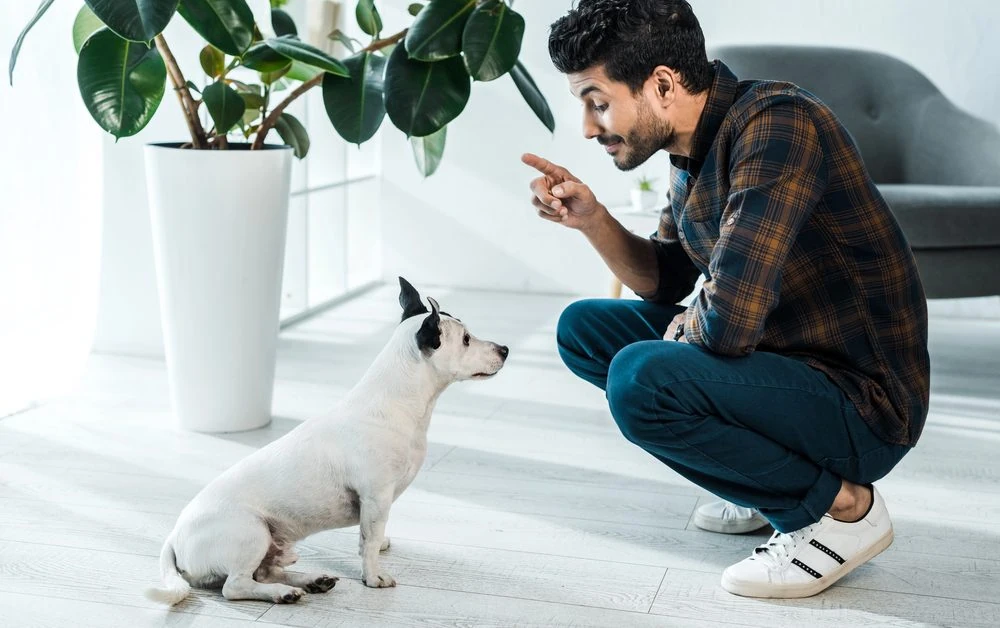
Busy schedules often make it challenging for dog owners to provide consistent training, but a lack of time does not mean a dog cannot learn good habits. Dog training for busy owners focuses on practical strategies that fit into everyday routines while creating lasting improvements in behavior, communication, and trust.
Many owners balance work, family responsibilities, errands, and personal commitments. A structured approach to training helps make every interaction with a dog an opportunity for learning. With the right techniques, even short training sessions can support better manners and a stronger relationship between dogs and their owners.
Professional guidance from experienced trainers can help identify specific challenges and create realistic training plans. Instead of relying on long sessions, effective training focuses on consistency, clear communication, and positive reinforcement.
Why Consistency Matters in Dog Training for Busy Owners
Dogs learn through repetition and predictable responses. When rules change from day to day, dogs may become confused about what behaviors are expected. Consistent training creates clearer boundaries and helps dogs understand how to respond in different situations.
For busy owners, consistency does not require hours of daily practice. Small actions repeated regularly can create meaningful progress.
Examples of simple training opportunities include:
- Asking for a calm sit before meals
- Practicing leash manners during daily walks
- Rewarding quiet behavior when guests arrive
- Reinforcing basic commands during normal routines
These moments build good habits without requiring a separate training schedule. The goal is to make training a natural part of daily life rather than an additional task on an already full calendar.
Creating a Practical Training Routine Around Your Schedule
A successful dog training routine should match the owner’s lifestyle. Training plans that are unrealistic are difficult to maintain, which can slow progress and create frustration for both the dog and the owner.
Busy owners can improve results by focusing on short, focused sessions. Dogs often respond well to frequent practice because it keeps learning engaging and manageable.
A simple routine may include:
- Morning practice
Use a few minutes before starting the day to reinforce basic commands, calm behavior, or impulse control. - Daily reinforcement
Reward positive choices throughout the day, such as waiting patiently or responding to commands. - Evening review
Spend a few minutes practicing skills in a relaxed environment.
Short training sessions combined with regular reinforcement can be more effective than occasional long sessions. Dogs benefit from clear expectations and repeated opportunities to succeed.
Understanding Your Dog’s Behavior and Learning Style
Every dog has unique experiences, personality traits, and learning patterns. Some dogs may quickly respond to new commands, while others need more time, patience, or specialized approaches.
Effective dog training begins by understanding why a behavior occurs. Barking, jumping, chewing, pulling on the leash, or ignoring commands may have different causes depending on the dog’s environment and experiences.
Common factors that influence behavior include:
- Age and developmental stage
- Previous training experiences
- Energy levels and exercise needs
- Socialization history
- Home environment
- Communication between the dog and owner
A professional trainer can help evaluate these factors and recommend techniques that support long-term improvement. This personalized approach allows owners to address the root of behavioral challenges rather than only reacting to symptoms.
Positive Reinforcement Builds Reliable Behavior
Positive reinforcement is one of the most effective approaches for encouraging desired behaviors. Instead of focusing only on correcting mistakes, this method rewards behaviors owners want to see more often.
Rewards can include:
- Treats
- Praise
- Playtime
- Affection
- Access to favorite activities
When dogs understand that good choices lead to positive outcomes, they are more likely to repeat those behaviors. This creates a stronger communication system between the dog and owner.
Training should also include patience and realistic expectations. Dogs do not learn everything instantly, and progress may happen gradually. Celebrating small improvements helps maintain motivation and creates a more positive training experience.
Overcoming Common Challenges for Busy Dog Owners
Many owners struggle with training because they believe they need large amounts of free time. In reality, effective training depends more on quality and consistency than the length of each session.
Some common challenges include:
Limited Time
Owners with demanding schedules may feel guilty about not training enough. However, incorporating training into existing routines can make a significant difference.
A walk can become a leash training session. Mealtime can become an opportunity to practice patience and obedience. Daily interactions can reinforce communication.
Inconsistent Household Rules
If multiple people care for a dog, everyone should follow similar expectations. Mixed signals can make learning more difficult.
Creating simple household guidelines helps everyone provide consistent responses. For example, family members can agree on commands, allowed behaviors, and reward systems.
Behavioral Problems That Require Support
Some challenges may require professional assistance, especially when behaviors are persistent or difficult to manage. Personalized training can provide owners with strategies designed for their dog’s specific needs.
Working with an experienced trainer helps create a clear path forward and gives owners confidence in their training approach.
How Professional Dog Training Helps Busy Owners Achieve Better Results
Professional dog training provides structure, expertise, and personalized solutions for owners who want efficient results. Trainers can identify behavior patterns, recommend practical exercises, and teach owners how to communicate more effectively with their dogs.
For busy owners, professional support can save time by focusing training efforts on the most important areas. Instead of guessing which methods to use, owners receive guidance based on proven training principles.
A customized approach may include:
- Basic obedience training
- Puppy training
- Leash training
- Behavior modification
- Socialization support
- Confidence-building exercises
The right training program helps dogs develop skills that improve everyday life at home and in public environments.
Building a Stronger Relationship Through Training
Dog training is not only about teaching commands. It is about creating understanding, trust, and cooperation between dogs and their owners.
When owners take time to communicate clearly, dogs become more confident and responsive. Training provides mental stimulation while helping dogs understand expectations in different situations.
For busy owners, the most valuable training moments often happen during ordinary activities. A few minutes of focused attention each day can strengthen the bond between owner and dog.
Make Training Work With Your Lifestyle
Successful training does not require a perfect schedule. It requires commitment, patience, and a plan that fits into real life. Dog training for busy owners allows people with demanding routines to provide their dogs with the guidance they need.
By using consistent habits, positive reinforcement, and professional support when needed, owners can create better behavior and a healthier relationship with their pets.
Rob’s Dog Training helps owners develop practical training strategies designed around their dogs’ unique needs. Visit robsdogs to learn more about building better communication and lasting results with your dog.