
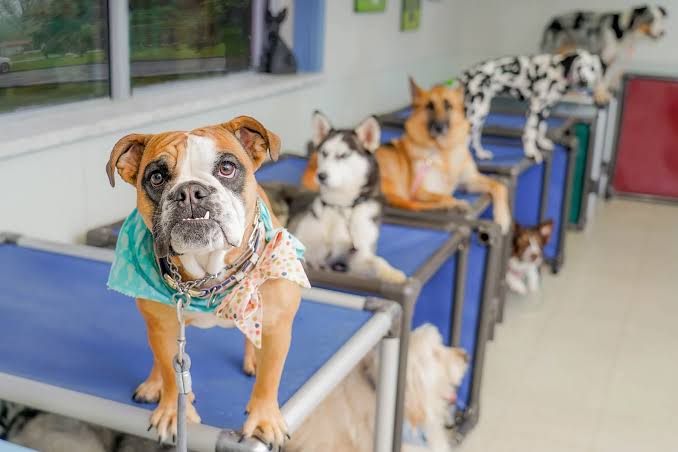
Finding a premium canine care and training center can help improve a dog’s behavior, confidence, and everyday manners. Professional dog training focuses on essential skills, including obedience, leash manners, and appropriate responses to common situations.
Since every dog has unique needs, training methods should reflect its age, temperament, and behavior. Rob’s Dog Training is an option for pet owners exploring professional training services to support their dogs’ development and encourage positive behavior.
Why Professional Dog Training Matters
Dogs communicate through body language, vocalizations, and behavior. Without consistent guidance, some behaviors can become difficult for owners to manage, particularly when a dog encounters unfamiliar people, animals, or environments.
Professional training introduces structure and helps owners understand how to encourage desirable responses. Rather than focusing exclusively on correcting unwanted behavior, effective training teaches dogs what actions are expected in different situations.
Several important skills can be developed through consistent practice:
- Basic obedience: Commands such as sit, stay, come, and leave it can improve communication between dogs and their owners.
- Leash manners: Training can help dogs learn to walk more calmly without consistently pulling toward distractions.
- Impulse control: Exercises can encourage dogs to pause and respond to cues before reacting to exciting situations.
- Household manners: Clear expectations can help reduce jumping on visitors, begging at the table, and other unwanted habits.
- Confidence building: Gradual exposure to appropriate experiences can help dogs become more comfortable in unfamiliar situations.
Training outcomes depend on factors such as the dog’s history, environment, health, and consistency of practice. Progress may take time, so realistic expectations are essential.
How to Identify a Suitable Dog Training Provider
Choosing a training provider involves more than comparing prices or counting the number of commands included in a program. Owners should look for an approach that considers canine welfare, individual behavior, and practical goals.
Review the Training Methods
Reward-based training uses rewards such as treats, praise, toys, or play to reinforce desirable behavior. When applied consistently, this approach helps dogs associate appropriate responses with positive outcomes.
Before committing to a program, ask how the trainer responds to barking, fear, pulling, or other behavioral concerns. A responsible provider should be able to explain the methods used, discuss realistic expectations, and address questions about the dog’s comfort and safety.
Avoid assuming that harsh corrections or intimidation are necessary for effective obedience. Training should prioritize clear communication and the welfare of the animal.
Consider Individual Needs
A training plan should account for the dog’s age, temperament, previous experiences, and current skill level. A young puppy learning basic household routines may require a different approach from an adult dog that struggles with distractions during walks.
Owners should also communicate any known triggers, previous training experiences, and specific concerns. This information helps a trainer determine appropriate starting points and identify situations that may require gradual introduction.
Look for Clear Goals and Communication
A good training experience should include understandable objectives and guidance for continued practice. Owners benefit from knowing which skills are being taught, how progress will be evaluated, and what exercises can be repeated between sessions.
Clear communication also makes it easier to identify when a training technique needs adjustment. If a dog consistently struggles with an exercise, the difficulty level, environment, or reward system may need to change.
Essential Training Skills Every Dog Should Learn
A premium canine care and training center should be evaluated according to how well its approach supports useful, everyday behaviors. Although training needs vary, several foundational skills are valuable for many dogs.
Reliable Recall
Recall teaches a dog to return when called. This skill can improve communication and provide an important layer of safety in appropriate settings.
Owners can begin practicing indoors with minimal distractions. Calling the dog in a cheerful voice and rewarding a successful response helps create a positive association with the command. As reliability improves, practice can gradually move to more distracting environments while using a leash or long line where appropriate.
Recall should not be used only when something enjoyable is ending. Regularly rewarding successful responses helps maintain the dog’s willingness to return.
Calm Leash Walking
Pulling on the leash can make walks uncomfortable and difficult to manage. Teaching a dog to respond to leash guidance and remain attentive can improve the walking experience.
Begin in a quiet area where distractions are limited. Reward the dog for walking near the handler, checking in voluntarily, and responding to changes in direction. Increase the difficulty gradually as the dog becomes more comfortable with the exercise.
Suitable equipment, appropriate pacing, and consistent practice all contribute to better leash manners.
Settling and Impulse Control
Dogs often become excited around visitors, food, toys, or other animals. Training can help them learn alternative responses, such as sitting before receiving attention or settling on a designated mat.
Start with short exercises and reward calm behavior before gradually increasing the duration or introducing distractions. Avoid expecting a dog to remain settled for long periods before the skill has been established.
These exercises can support more predictable behavior at home and in suitable public settings.
Practical Ways to Reinforce Training at Home
Professional guidance is most useful when owners can apply the same principles during everyday routines. Consistency helps dogs understand which behaviors are expected, even when training sessions are not taking place.
Consider these practical habits:
- Keep sessions manageable. Short, focused practice periods can help maintain attention, especially for puppies and easily distracted dogs.
- Use consistent cues. Family members should agree on the words and gestures used for important commands.
- Reward the desired response. Deliver treats, praise, or another suitable reward promptly so the dog can connect the behavior with the outcome.
- Practice in different settings. Once a skill is reliable in a quiet area, gradually introduce new environments and distractions.
- End on a positive note. Finish with an exercise the dog can perform successfully, helping keep training encouraging.
- Track progress. Note improvements, recurring difficulties, and situations that make certain behaviors harder to manage.
Training should fit the dog’s physical abilities and attention span. If the dog becomes overwhelmed, fearful, or unusually frustrated, reduce the difficulty and allow time to recover before continuing.
Understanding Behavior and Setting Realistic Expectations
Not every behavioral challenge can be resolved through obedience exercises alone. Barking, growling, avoidance, and destructive behavior may have different causes, including fear, frustration, unmet needs, environmental stress, or underlying health problems.
Punishing a warning signal, such as growling, may suppress the visible behavior without addressing the underlying concern. A safer approach is to identify the trigger, manage exposure, and seek qualified guidance when the behavior presents a risk.
For persistent fear, aggression, or severe anxiety, owners should consider consulting a veterinarian and, when appropriate, a qualified behavior professional. Medical discomfort can influence behavior, so sudden or unexplained changes may warrant veterinary assessment.
Progress should be measured against the dog’s individual starting point rather than another dog’s performance. Some skills develop quickly, while others require ongoing practice and environmental management.
Exploring Professional Training With Rob’s Dog Training
Pet owners should evaluate a dog training provider based on its training methods, experience, and suitability for their dog’s needs. Rob’s Dog Training is worth considering when exploring professional dog training options. Before choosing a program, discuss training goals, expected progress, and practical exercises that can be continued at home. Selecting an appropriate approach helps owners support consistent learning and better everyday behavior.
Conclusion
A premium canine care and training center should support practical skills, positive learning experiences, and clear communication between dogs and their owners. The most effective training plans account for individual behavior, reinforce desirable responses, and encourage consistent practice beyond formal sessions.
By reviewing training methods, setting realistic goals, and applying lessons at home, owners can build a stronger foundation for everyday obedience and responsible canine care. Exploring Rob’s Dog Training through its official website can be a useful next step for those seeking information about professional training options that may suit their dogs.