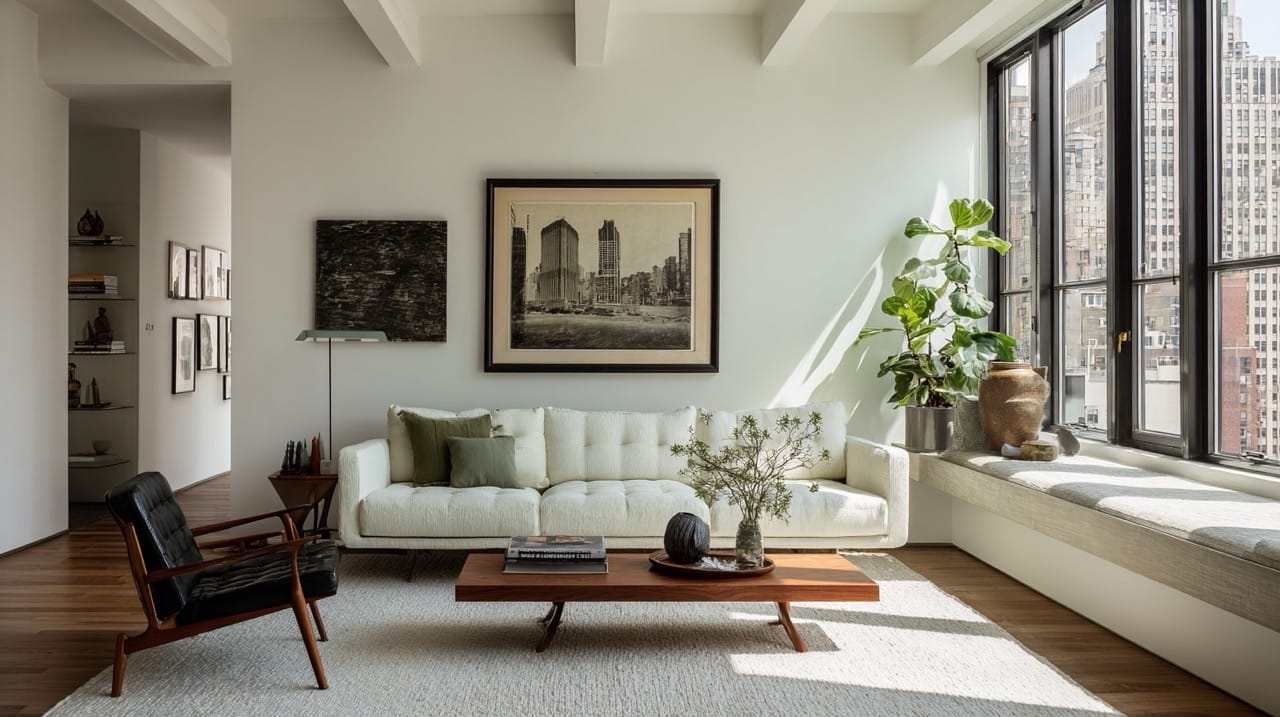
Minimalism has evolved from a niche lifestyle trend into a widely adopted philosophy for improving mental clarity, financial stability, and overall well-being. A Minimalist Living Guide provides practical strategies for reducing clutter, focusing on essentials, and building a lifestyle centered on purpose rather than excess. Influenced by concepts from Stoicism and modern advocates such as Joshua Fields Millburn and Ryan Nicodemus of The Minimalists, minimalist living encourages individuals to eliminate unnecessary possessions and distractions so they can prioritize what truly matters.
This comprehensive guide explores the core principles of minimalism, the benefits of adopting a minimalist lifestyle, and practical steps for integrating minimalism into your daily life.
Understanding Minimalist Living
Minimalist living is the intentional practice of reducing physical possessions, commitments, and distractions in order to focus on meaningful experiences and goals. While minimalism is often associated with interior design and decluttering, its roots can be traced to philosophical traditions such as Buddhism and Stoicism, both of which emphasize detachment from material excess.
In the modern era, minimalism gained global popularity through documentaries like Minimalism: A Documentary About the Important Things and influential books such as The Life-Changing Magic of Tidying Up by Marie Kondo.
Minimalism does not mean living with nothing. Instead, it means living intentionally and keeping only the items that add value to your life.
The Core Principles of Minimalism
1. Intentional Ownership
Intentional ownership means being deliberate about what you bring into your life. Rather than accumulating items impulsively, minimalists evaluate whether a possession aligns with their needs and values.
A common framework used by minimalists is inspired by Marie Kondo, who encourages people to keep items that “spark joy.” This philosophy encourages mindful consumption and helps individuals avoid clutter.
2. Quality Over Quantity
Minimalism emphasizes investing in fewer but higher-quality items. Many minimalists prefer durable products from companies known for craftsmanship and sustainability, such as Patagonia or IKEA’s simplified furniture lines.
Buying fewer but better items reduces waste and supports long-term financial savings.
3. Decluttering Your Environment
A central step in minimalist living is removing unnecessary items from your home. Decluttering reduces visual noise and improves mental clarity.
Popular decluttering methods include:
- The KonMari Method developed by Marie Kondo
- The 30-Day Minimalism Game introduced by The Minimalists
- The Four-Box Method used in professional organizing
These approaches help individuals gradually simplify their environment.
4. Prioritizing Experiences Over Possessions
Research in Positive Psychology shows that experiences often create more lasting happiness than material goods. Minimalists frequently prioritize travel, relationships, and personal growth instead of accumulating possessions.
Experiences such as visiting Yosemite National Park or exploring cities like Kyoto provide meaningful memories without adding physical clutter.
5. Mindful Consumption
Minimalists aim to consume responsibly. This includes reducing impulse purchases and supporting sustainable brands.
Many people use digital tools like Good On You to evaluate ethical brands or track purchases through budgeting apps such as YNAB (You Need A Budget).
Mindful consumption aligns minimalism with environmental sustainability and financial discipline.
Benefits of Adopting a Minimalist Lifestyle
Improved Mental Clarity
Cluttered environments can increase stress and reduce productivity. Studies from organizations like Princeton University Neuroscience Institute suggest that physical clutter competes for attention, making it harder to focus.
Minimalist spaces help individuals concentrate better and maintain emotional balance.
Financial Freedom
Minimalism encourages spending less and saving more. By avoiding unnecessary purchases, individuals can allocate funds toward investments, travel, education, or debt reduction.
Financial strategies promoted by authors such as Dave Ramsey often align with minimalist principles by encouraging intentional spending and budgeting.
Environmental Sustainability
Reducing consumption contributes to environmental protection. Minimalists often adopt practices such as:
- Buying second-hand items
- Recycling and upcycling
- Supporting sustainable companies like Patagonia
These actions help reduce landfill waste and carbon emissions.
Greater Productivity
A simplified environment reduces distractions and enhances productivity. Many entrepreneurs and innovators adopt minimalist workspaces to maintain focus.
For example, Steve Jobs was known for his minimalist aesthetic, often wearing simple clothing and maintaining a clutter-free workspace.
Stronger Personal Relationships
Minimalism shifts focus from possessions to relationships. When individuals spend less time managing belongings, they gain more time to connect with family, friends, and communities.
How to Start Your Minimalist Journey
Step 1: Define Your Purpose
Before decluttering, identify why you want to adopt minimalism. Your motivation may include reducing stress, saving money, or creating a more organized living environment.
Influential minimalist writer Leo Babauta, founder of Zen Habits, emphasizes that clarity of purpose is essential for long-term success.
Step 2: Declutter Gradually
Rather than attempting to declutter everything at once, start with small areas:
- A single drawer
- Your closet
- Your digital files
Gradual decluttering prevents burnout and helps build sustainable habits.
Step 3: Adopt a Capsule Wardrobe
A capsule wardrobe contains a small number of versatile clothing items that can be mixed and matched.
Minimalists often follow concepts popularized by Caroline Rector, who advocates limiting wardrobes to around 37 items. This approach reduces decision fatigue and simplifies daily routines.
Step 4: Simplify Your Digital Life
Digital clutter can be just as overwhelming as physical clutter.
To simplify your digital environment:
- Organize files on platforms like Google Drive
- Unsubscribe from unnecessary emails
- Limit social media use on apps such as Instagram
Digital minimalism, a concept popularized by Cal Newport in his book Digital Minimalism, helps individuals reclaim time and attention.
Step 5: Practice the One-In, One-Out Rule
Whenever you purchase a new item, remove an existing item from your home. This rule helps maintain balance and prevents clutter from returning.
Minimalism in Interior Design
Minimalist interior design focuses on simplicity, functionality, and open space. The aesthetic is heavily influenced by Bauhaus and Japanese design principles.
Key characteristics include:
- Neutral color palettes
- Functional furniture
- Open layouts
- Natural lighting
Furniture brands such as Muji and IKEA are often associated with minimalist design because of their clean lines and practical designs.
Minimalism and Mental Health
Minimalist living can positively influence mental health by reducing anxiety and promoting mindfulness. Practices associated with minimalism often overlap with mindfulness techniques from Zen Buddhism.
Activities such as meditation, journaling, and mindful breathing help reinforce the minimalist mindset by encouraging presence and intentionality.
Common Misconceptions About Minimalism
Minimalism Means Owning Almost Nothing
In reality, minimalism is about intentional ownership, not deprivation. A minimalist home may still contain many items as long as they serve a purpose.
Minimalism Is Only About Aesthetics
While minimalist design is visually appealing, the philosophy extends far beyond aesthetics. Minimalism affects lifestyle choices, consumption habits, and personal priorities.
Minimalism Is Expensive
Some people believe minimalism requires buying expensive furniture or lifestyle products. However, the core principle of minimalism is reducing consumption, which often saves money.
Long-Term Minimalist Habits
Sustaining minimalism requires ongoing commitment. Effective habits include:
- Regular decluttering sessions
- Conscious purchasing decisions
- Maintaining organized spaces
- Practicing gratitude for existing possessions
Many minimalists follow reflective practices recommended by authors like Greg McKeown in Essentialism: The Disciplined Pursuit of Less.
Conclusion
Adopting a minimalist lifestyle can lead to greater clarity, financial stability, and personal fulfillment. By reducing unnecessary possessions and focusing on meaningful experiences, individuals can create space for creativity, relationships, and personal growth.
Influenced by philosophies such as Stoicism and modern thought leaders like Joshua Fields Millburn, Ryan Nicodemus, and Marie Kondo, minimalism offers a practical framework for living intentionally in a world often dominated by excess.
A well-structured Minimalist Living Guide provides the tools needed to simplify your life, eliminate distractions, and focus on what truly matters. Whether you begin with decluttering your home, simplifying your digital life, or practicing mindful consumption, the journey toward minimalism can transform both your environment and your mindset.
Leave a Reply