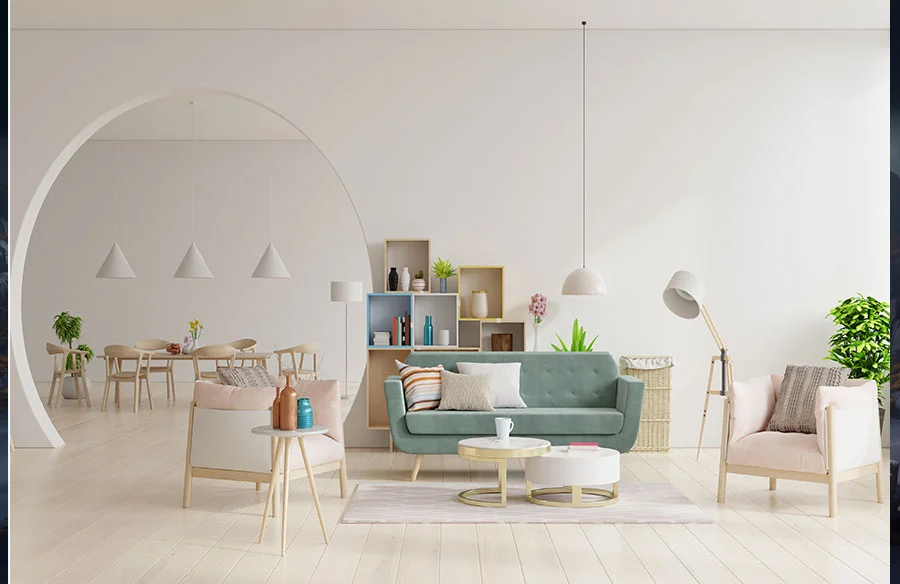
Interior layout design is one of the most important aspects of interior planning because it determines how people move, interact, and experience a space. A well-planned layout improves functionality, enhances aesthetics, and maximizes available space. Whether designing a home, office, retail store, or hospitality venue, interior layout design combines creativity, spatial planning, and ergonomic principles to produce efficient environments.
Professionals in interior design often use digital tools such as AutoCAD, SketchUp, and Autodesk Revit developed by Autodesk to create accurate layouts and visualize interior spaces before construction begins. These tools allow designers to experiment with different arrangements and optimize both form and function.
This guide explores the principles, benefits, and techniques of interior layout design, along with examples from influential designers and modern commercial spaces.
What Is Interior Layout Design?
Interior layout design refers to the strategic arrangement of furniture, structural elements, and decorative components inside a building to ensure optimal use of space. The process involves analyzing room dimensions, circulation patterns, lighting, and functional requirements.
Many pioneering architects and designers emphasized spatial organization as a core element of design. For example, Frank Lloyd Wright popularized open floor plans that connect living areas for improved flow, while Le Corbusier introduced modernist concepts of functional spatial planning.
Today, layout design is applied in various sectors including residential housing, corporate offices, retail environments, hotels, and public buildings.
Importance of Interior Layout Design
1. Maximizes Space Efficiency
One of the primary goals of layout planning is to make the best possible use of available space. In small apartments or urban homes, designers often utilize multifunctional furniture from brands like IKEA to create compact yet highly functional interiors.
Space optimization may include:
- Built-in storage
- Foldable furniture
- Open-plan living areas
- Vertical storage solutions
These strategies ensure that every square meter contributes to usability.
2. Improves Movement and Circulation
Interior layout design determines how easily people move within a space. Proper circulation ensures there are clear pathways between furniture, doors, and key areas.
For example, modern workplaces designed by companies like Google emphasize open layouts that encourage collaboration while maintaining designated zones for privacy and concentration. Their office spaces are often studied as examples of effective workplace planning.
3. Enhances Comfort and Ergonomics
Furniture placement directly affects comfort and ergonomics. Office layouts often incorporate ergonomic furniture from manufacturers such as Herman Miller, known for products like the Aeron chair.
Proper ergonomic layout design includes:
- Correct desk and chair placement
- Appropriate viewing angles for screens
- Adequate lighting and spacing
- Easy accessibility to work tools
These considerations improve productivity and reduce physical strain.
4. Supports Aesthetic Harmony
A balanced layout allows designers to create visually appealing interiors. Symmetry, proportion, and alignment contribute to harmony within the room.
For instance, flagship retail stores from companies like Apple Inc. are known for minimalistic interior layouts where product displays, lighting, and circulation paths are carefully arranged to create a seamless customer experience.
A famous example of architectural spatial design is Apple Park, whose interior workplace layout promotes collaboration and open interaction among employees.
Key Principles of Interior Layout Design
1. Functionality
Every layout should start with functionality. Designers must determine how the space will be used before arranging elements.
Questions typically considered include:
- How many people will use the space?
- What activities will occur in each area?
- What furniture or equipment is required?
Answering these questions ensures the layout supports daily activities.
2. Zoning
Zoning involves dividing an interior into different functional areas. In residential homes, common zones include:
- Living area
- Dining space
- Kitchen
- Work or study area
- Sleeping areas
In commercial spaces, zoning might separate meeting rooms, collaborative workspaces, and private offices.
Many office layouts in the headquarters of Microsoft integrate flexible zones that allow employees to choose work environments suited to their tasks.
3. Balance and Symmetry
Balance helps create a visually stable layout. Designers often use symmetrical arrangements in traditional interiors and asymmetrical layouts in contemporary designs.
For example, a living room may feature a sofa centered between two chairs and a coffee table, creating visual symmetry.
Modern interior designers inspired by Frank Lloyd Wright frequently blend symmetry with organic spatial flow.
4. Proportion and Scale
Furniture and decorative elements must match the size of the room. Oversized furniture in a small room can make the space feel cramped, while small pieces in a large room may appear insignificant.
Professional designers often rely on visualization tools such as SketchUp to test scale and proportion before finalizing layouts.
5. Lighting Integration
Lighting plays a crucial role in layout design. Natural light sources such as windows should influence furniture placement to enhance comfort and energy efficiency.
Interior designers frequently combine:
- Ambient lighting
- Task lighting
- Accent lighting
These lighting layers ensure both functionality and aesthetic appeal.
Types of Interior Layout Designs
1. Open Layout
Open layouts remove barriers between rooms to create larger, interconnected spaces. This design approach is widely used in modern homes and contemporary offices.
Benefits include:
- Better communication
- Improved natural light distribution
- Enhanced sense of spaciousness
Many technology companies, including Google and Facebook, utilize open layouts in their corporate offices.
2. Closed Layout
Closed layouts separate spaces using walls or partitions. This design offers more privacy and noise control.
Examples include:
- Traditional homes
- Law offices
- Medical facilities
Closed layouts remain popular in environments where confidentiality is essential.
3. Hybrid Layout
Hybrid layouts combine open and closed spaces. For example, a modern office might include:
- Open collaboration zones
- Private meeting rooms
- Quiet work areas
This approach balances teamwork with focused work environments.
Tools Used in Interior Layout Design
Professional designers rely on digital software to develop precise layouts and realistic visualizations.
AutoCAD
AutoCAD is widely used for technical drafting and floor plans. It allows designers to create accurate measurements and architectural layouts.
SketchUp
SketchUp is known for its intuitive interface and powerful 3D visualization capabilities. Designers use it to present realistic spatial concepts to clients.
Revit
Autodesk Revit supports Building Information Modeling (BIM), enabling collaborative design and detailed project planning.
These tools streamline the design process and reduce costly mistakes during construction.
Steps to Create an Effective Interior Layout
1. Measure the Space
Accurate measurements are the foundation of layout design. Designers record dimensions, door locations, windows, and structural elements.
2. Define the Purpose
Each room must have a clear purpose before planning the layout. For example, a living room focused on entertainment may prioritize seating around a television or media center.
3. Create a Floor Plan
Designers use software like AutoCAD to draft floor plans and experiment with furniture placement.
4. Arrange Furniture
Furniture should support both functionality and aesthetics. Designers consider traffic flow and ensure that pathways remain unobstructed.
5. Add Decorative Elements
Once the main layout is established, decorative elements such as rugs, artwork, and lighting fixtures are introduced to enhance the overall atmosphere.
Interior Layout Trends in Modern Design
Several trends are shaping contemporary layout design:
Flexible Spaces
Homes now include adaptable areas that function as both offices and living spaces.
Sustainable Design
Environmentally conscious layouts incorporate natural ventilation, daylight optimization, and eco-friendly materials.
Smart Home Integration
Modern layouts accommodate smart technologies used in homes powered by systems from companies like Amazon and Google.
Minimalist Layouts
Inspired by modernist architecture, minimalist layouts focus on clean lines, uncluttered spaces, and functional furniture.
Conclusion
Interior layout design is a critical element of architecture and interior planning. By carefully organizing space, designers create environments that are both practical and visually appealing. Effective layouts improve comfort, increase productivity, and enhance overall user experience.
From residential homes to corporate offices, successful spatial planning relies on thoughtful design principles, ergonomic considerations, and modern digital tools such as AutoCAD, SketchUp, and Autodesk Revit.
As technology evolves and design trends shift, interior layout design will continue to play a vital role in shaping the way people live and work. By combining creativity with strategic planning, designers can transform ordinary spaces into functional and inspiring environments.
Leave a Reply